
Dr. Wang's health lecture in Singapore
5 / 15 / 2026
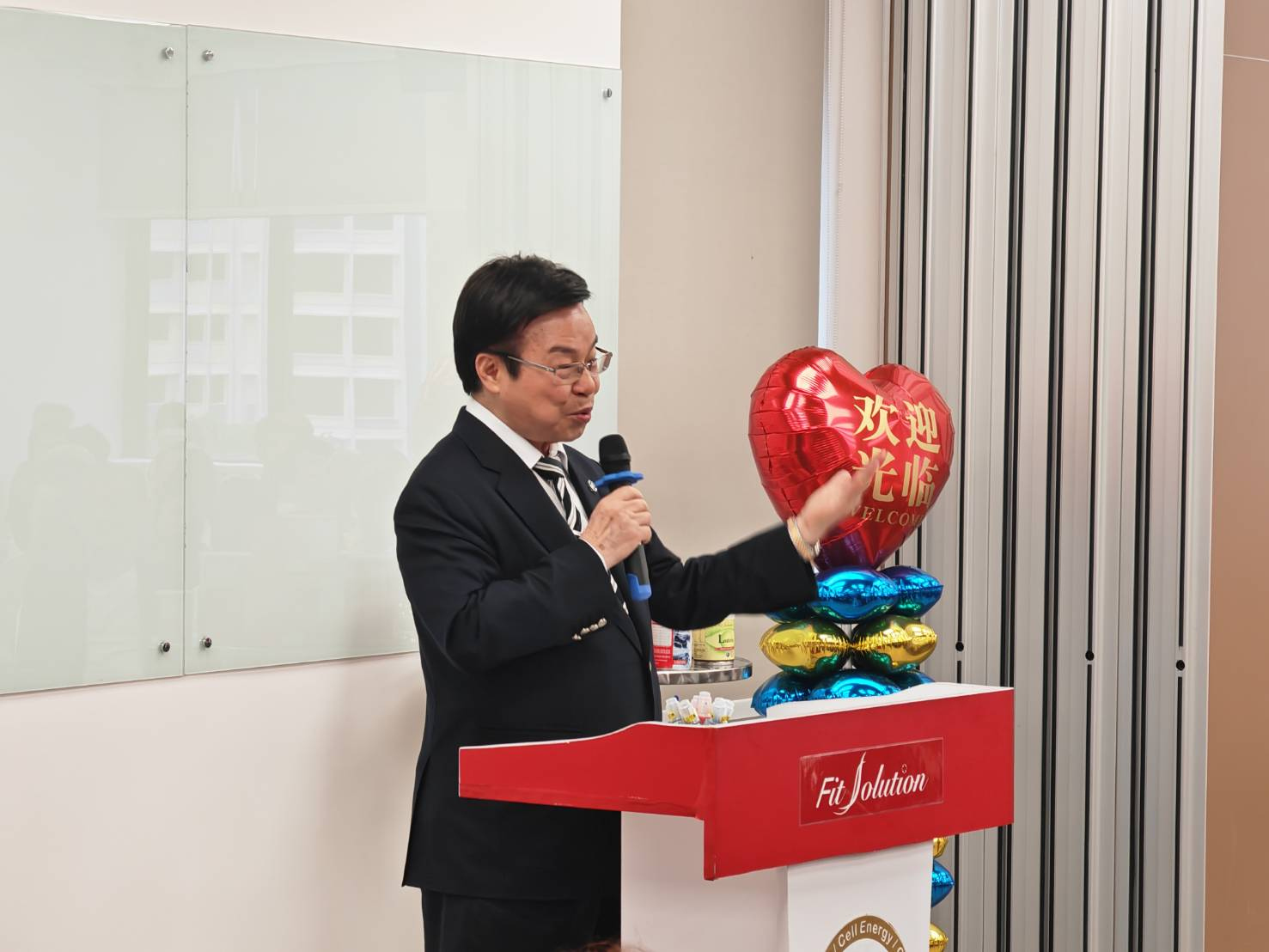
Dr. Wang's Health Lecture
Date: May 15, 2026 , Location: Singapore
The following is an excerpt from the speech.
You are what you eat: The Mystery of Amino Acids
Precision medicine should treat cells. A cell is a substance containing proteins, fats, sugars, vitamins, minerals, and even trace elements you can't imagine. Proteins break down into 22 amino acids. My amino acids are the same as yours because we're both human. But my amino acids are different from a cow's—the proportions are different. This proportion is called the human being.
Amino acid imbalance and liver and kidney chain reactions
Before you eat, your liver tries to reduce excess amino acids through a process called transaminase. But enzymes are also amino acids, and if you lack a certain amino acid, you can't convert it. Excess amino acids can cause damage, while deficient amino acids cannot be replenished.
When there is an excess of amino acids in the body that cannot be converted, amines will decompose and be converted into ammonia. Ammonia is a toxic central nervous system toxin.
Ammonia is highly soluble in water, forming ammonia water, which travels through the bloodstream to the kidneys. The kidneys have no defense mechanism; the ammonia water must be filtered out by the glomeruli. After one or two exposures, the glomeruli eventually become ineffective. This filtering capacity declines continuously, eventually leading to dialysis. The kidneys are furthest from the heart; when there is oxygen deprivation, the heart cannot hear the cries for help. God placed adrenaline near the kidneys: when someone cries for help, their blood pressure rises, causing the heart to work harder. Therefore, people with kidney problems experience high blood pressure. The kidneys are also responsible for producing erythropoietin (EPO); kidney problems can lead to anemia.
The liver is the most important biochemical factory in the human body.
Once all the nutrients are broken down into smaller molecules and reach the small intestine, the intestinal mucosa begins absorption. The first part absorbs water-soluble nutrients, and the latter part absorbs oil-soluble nutrients. The nutrients absorbed from both parts are collected and enter a larger blood vessel called the portal vein, which transports these nutrients to the liver. All organs have arteries and veins, but only the liver has three. The portal vein carries all the nutrients absorbed from the small intestine to the liver.
The liver is the organ that controls all the nutrients in the body; it is almost the only one. Whether a person is getting enough nutrition, whether they feel tired, and whether they sleep well can all be seen in their liver function.
Besides converting amino acids, transaminases have another function: converting toxic substances into non-toxic ones. The waste products of human metabolism eventually return to the liver because not all waste can be metabolized. Proteins ultimately leave two components: blood urea nitrogen (BUN) and creatinine, which are excreted through the kidneys. BUN comes from visceral proteins, and creatinine comes from muscle proteins. These metabolic wastes first return to the liver, where toxic substances are detoxified and excreted, while recyclable substances such as iron and calcium are recovered. Therefore, the liver is both a transport station for nutrients and a center for waste collection and distribution. The liver controls more than half of the body's biochemical environment, making liver protection crucial.
Tap/click on the following link to read the original Chinese article:
News
Best Cell Health Supplyments for Americans
TS USA participated in the largest summer concert in the San Gabriel region
Create a New Blue-Ocean of Health and Longevity!
Why Do You Need Genetic Testing?
The latest issue of Health Tips has been published.
Good Water, Sharing It with You!
Congratulations! Willy Power Advanced has obtained two US patents.
TS USA's Latest Summer Sale Is Now On!


